
Lithium mining sickens communities in the Jequitinhonha Valley
Lithium mining sickens communities in the Jequitinhonha Valley
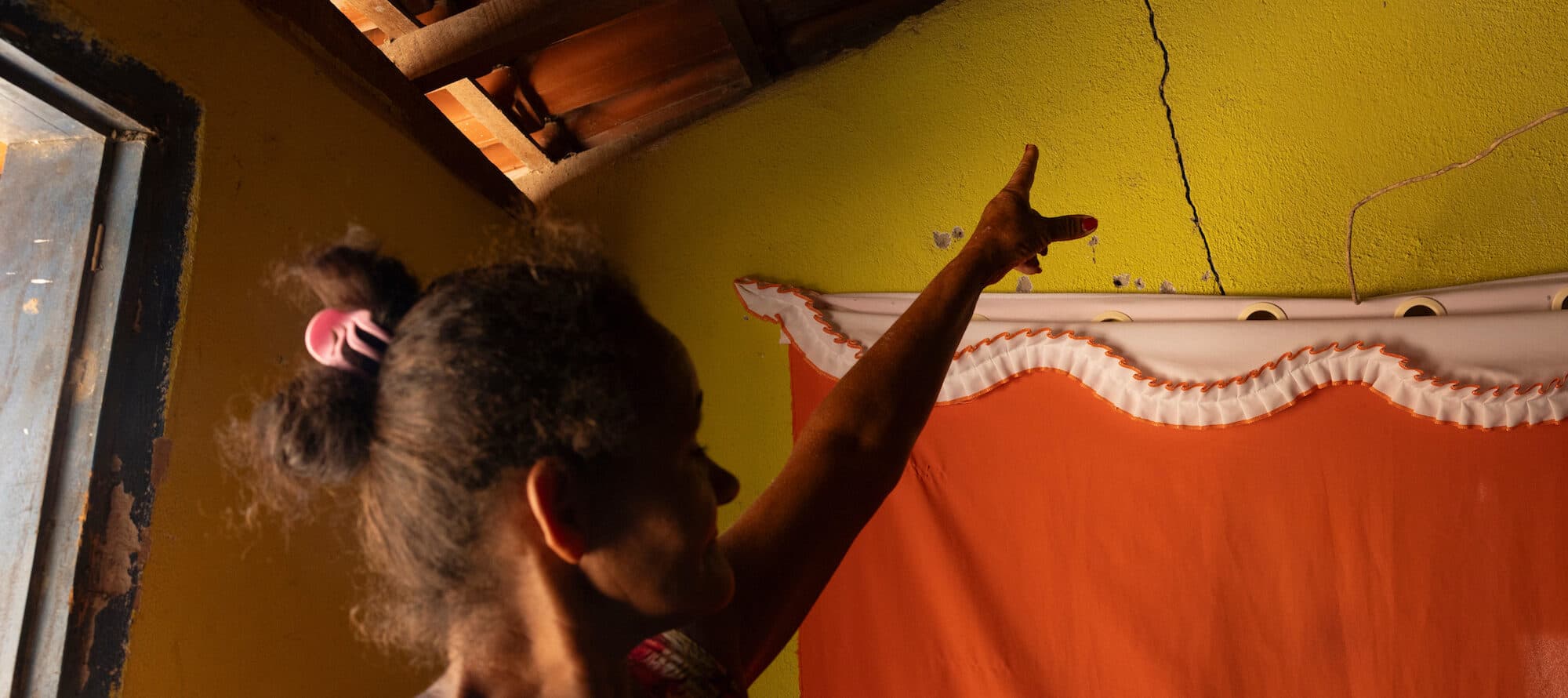
ITINGA (MG) — It's dawn, and the movement doesn't stop in the lithium mines of Vale do Jequitinhonha, in Minas Gerais. The noise of hundreds of machines moving the soil echoes through the mountains and destroys the peace of traditional communities in the region.The clock strikes 3:30 am when a line of trucks forms at the top of a hill. With the help of tractors, tons of stones are dumped down the hill. The roar mixes with the noise of the engines and reaches the 70 houses in the village of Piauí Poço Dantas, in Itinga, established 150 years ago on the banks of the Piauí stream, a tributary of the Jequitinhonha River.
The hill, in fact, is Pile 5 of waste — a set of unusable materials — from the largest lithium mine in Brazil. At 20 meters high and 560 thousand m2 , its area has grown four times in the last 11 months and is now just a few meters from the river and the village's houses. If the expansion plans of the mining company Sigma Lithium, which owns the operation, are maintained, the situation could worsen even further.
With a current production of 270 thousand tons of lithium concentrate per year, the mining company has just received financing of R$500 million from the Climate Fund to double its capacity. The financing was approved after an analysis of the project and the licenses obtained by Sigma from environmental agencies, says BNDES (National Bank for Economic and Social Development) , manager of the fund created to finance measures to combat climate change.
To reach 540 thousand tons per year from 2025, the stacking area foreseen in the company's initial project needed to be increased fivefold. The 400 thousand m2 licensed in 2019 jumped to 2 million m2 in the last operating license, published in January by Semad (Secretariat for the Environment and Sustainable Development of Minas Gerais) after a favorable opinion from Feam (State Environmental Foundation) .
Sigma's rapid growth is dictated by the high demand for the metal on the international market, especially for the manufacture of electric vehicles in China, Japan, Europe and the United States, and is already causing other mining companies to enter the competition for lithium extraction in the region.
While Sigma operates at full steam to compensate for the sudden drop in the price of lithium (almost 90% compared to 2022), the American Atlas is in the process of obtaining an operating license in Araçuaí, also in the Jequitinhonha Valley; the Australian Pilbara Minerals announced its intention to buy mining rights in Salinas for R$1.95 billion ; and CBL (Companhia Brasileiro de Lítio), which operates an old underground mine neighboring Sigma, plans to triple its production.
On the right in the photo, the waste pile of the mining company Sigma, now 560 thousand m2 in size; On the left, crossing the Piauí stream, the houses of the community of Piauí Poço Dantas, located just 90 meters from the pile. Photo: Caio Guatelli.